Remodeling Challenges in Old KC Buildings: What to Expect and How to Plan
 913-717-6325
913-717-6325
913-717-6325

Older buildings bring character, history, and craftsmanship you rarely find in modern construction. But when it comes to remodeling old commercial or office buildings, that charm often comes with hidden challenges.
From outdated electrical systems and structural problems to hazardous materials like lead-based paint, renovating older buildings requires careful planning and the right expertise. What may look like a simple renovation can quickly uncover deeper issues that impact safety, budget, and timeline.
In this guide, we’ll break down the most common commercial remodeling challenges in old Kansas City buildings, explain what to watch for, and show you how to approach your project with confidence. Whether you’re working on a residential property or a commercial space, understanding these obstacles upfront helps you make smarter decisions and avoid costly surprises.

Renovating older buildings is rarely straightforward. Unlike new construction, where everything starts from a clean slate, remodeling an existing structure means working around what’s already there—often with limited visibility into its condition. The building can also be full of unknowns, including plumbing and electrical uncertainties.
Many older buildings were built using materials, methods, and standards that no longer meet today’s expectations. Over time, wear and tear can impact structural integrity, while outdated systems and past repairs may introduce complications that aren’t immediately visible.
Here’s why renovating old buildings tends to be more complex:
Ultimately, renovating old buildings is a balance between respecting the original structure and making it safe, efficient, and functional for today’s use. That’s why proper planning, inspections, and experienced design and build professionals play such a critical role in successful outcomes.

Remodeling old buildings often reveals issues that aren’t visible during initial planning. From structural concerns to outdated systems, these challenges can impact your timeline, budget, and overall design.
Below are the most common obstacles you should expect when renovating old buildings:
One of the biggest risks in older buildings is compromised structural integrity. Over time, foundations settle, wood framing weakens, and previous repairs may fail.
Common structural problems include:
These issues are often hidden until demolition begins, which is why early inspections are critical to reduce the risk of structural damage during remodeling.
Many older buildings still rely on aging infrastructure that no longer meets modern safety or performance standards.
You may encounter:
Upgrading these systems is often necessary, especially in commercial remodeling projects, where safety and compliance are non-negotiable.
Older construction materials can pose serious health risks if not handled properly.
Some of the most common hazards include:
Proper testing and remediation are essential before continuing construction to protect both workers and occupants.

Preserving the character of a historic building can make remodeling more complex.
Challenges include:
Balancing modern upgrades with historic preservation requires thoughtful planning and experienced craftsmanship.
Older buildings were not built to today’s building codes, which means renovations often require significant updates.
This can involve:
Failing to meet compliance standards can delay your project and increase costs.
One of the most common renovation challenges is cost uncertainty.
Hidden issues, material sourcing, and code upgrades can all increase expenses beyond the original estimate.
To minimize surprises:
| Challenge |
Risk |
Solution |
| Structural issues | Safety | Inspection |
| Old systems | Failure | Upgrade |
| Hazardous materials | Health | Remediation |
| Code compliance | Delays | Expert planning |

One of the biggest decisions in renovating old buildings is knowing what to preserve and what to upgrade. While maintaining original features can protect the character and value of a historic building, not everything should be saved.
The key is finding the right balance between historic preservation and modern performance.
Restoring original elements is often the best choice when they still provide structural and aesthetic value.
You should consider restoration when:
This approach helps maintain the integrity of older buildings while extending their lifespan.
In some cases, replacing outdated or damaged components is the safer and more practical decision.
Replacement is usually necessary when:
Upgrading critical systems—like the electrical system, plumbing, or HVAC—often improves safety, performance, and long-term value.
Most successful remodeling projects combine both approaches.
Instead of choosing one over the other, the goal is to:
Working with experienced professionals ensures your renovation respects the building’s history while meeting today’s standards.

A successful renovation starts long before construction begins. When working with older buildings, proper planning is what prevents costly surprises and keeps your project on track.
Here’s how to approach your remodel the right way:
Before any design or demolition, you need a clear understanding of the building’s condition.
A professional inspection should evaluate:
Identifying these issues early allows you to plan accurately and avoid unexpected setbacks during construction.
Not all contractors are equipped to handle the complexities of renovating old buildings.
Older structures require:
Working with a team that understands these challenges helps ensure your project runs smoothly from start to finish.
Even with careful planning, hidden issues are common in older buildings.
To stay prepared:
Planning for the unexpected helps you stay in control of your renovation costs.
Using the right materials is essential when working with older buildings.
Whenever possible:
This approach helps preserve the building’s character while improving durability and function.
Bringing an older building up to modern building codes can impact both design and budget.
Early planning should account for:
Addressing compliance upfront helps prevent delays and keeps your project moving forward.

Remodeling old buildings in a commercial setting adds another layer of complexity. Beyond structural and system upgrades, businesses must also consider safety regulations, operational disruptions, and strict compliance requirements.
Whether you’re updating an office, retail space, or multi-use property, commercial remodeling in older buildings requires careful coordination and strategic planning.
Commercial properties are held to higher standards than residential spaces.
Renovations often require:
Bringing an older commercial building up to code can significantly impact both scope and cost.
One of the biggest challenges in commercial remodeling is maintaining operations during construction.
Common concerns include:
Phased construction and strategic planning help reduce downtime and keep your business running as smoothly as possible.
Older commercial buildings often weren’t designed for today’s technology and usage demands.
Upgrades may include:
These improvements are critical for both performance and long-term reliability.
Commercial projects typically involve more oversight than residential renovations.
You’ll need to manage:
Delays in approvals can slow progress, making experienced project management essential.
In commercial spaces, design isn’t just about appearance—it directly impacts how the space performs.
Renovations must:
This balance is especially important when working with historic buildings that carry architectural significance.

Remodeling old buildings requires more than just construction experience. It takes a deep understanding of structural systems, materials, and the unique challenges that come with aging properties.
At Wineteer, we approach every project with a focus on planning, precision, and long-term performance.
We don’t treat older buildings like new construction. Our team works with the existing structure, not against it.
Here’s how we help clients navigate complex renovations:
Our goal isn’t just to complete your remodel. It’s to make sure your building is safer, more efficient, and built to last.
By addressing structural integrity, upgrading critical systems, and using the right materials, we help protect your investment well beyond the construction phase.
Whether you’re renovating a home or tackling a commercial remodeling project, our team understands the level of detail and coordination required.
We help you:
Remodeling an older building comes with uncertainty, but it shouldn’t be an ending barrier. Having the right team in place makes all the difference.
At Wineteer, we guide you through every step of the process so you can move forward with confidence.

The 30% rule is a general guideline used to decide whether renovation or replacement makes more sense. If the cost of repairs exceeds about 30% of the building’s value, it may be more practical to consider a full replacement or major overhaul.
In older buildings, this rule helps property owners evaluate whether structural repairs, system upgrades, and code compliance costs are worth the investment.
Older buildings can develop a wide range of issues over time, including:
These challenges are common in both residential and commercial remodeling projects and often require professional evaluation.
Yes, you can renovate a 100-year-old building, but it requires careful planning and expertise.
Successful renovations depend on:
With the right approach, even very old buildings can be restored and adapted for modern use.
Some of the most common mistakes when renovating historic buildings include:
Avoiding these mistakes starts with proper planning and working with experienced professionals.
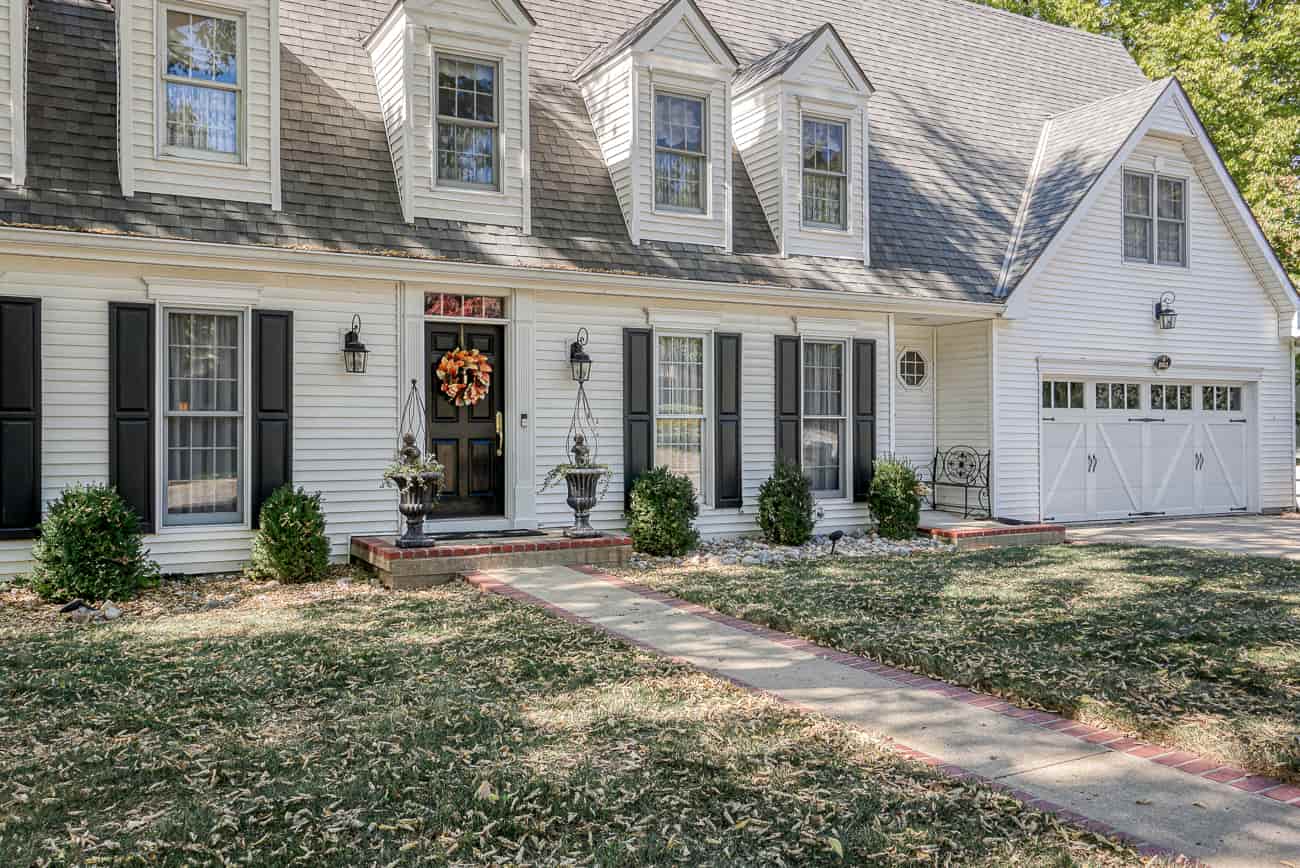
Remodeling old buildings comes with its share of challenges, but it also offers unique opportunities to create something truly lasting.
With the right approach, you can preserve the character of a historic structure while improving safety, functionality, and long-term value. The key is understanding the potential risks—from structural issues to outdated systems—and planning ahead to address them effectively.
Whether you’re tackling a residential renovation or a commercial remodeling project, success starts with the right team, a clear plan, and realistic expectations.
Old buildings may require more effort, but when done right, the results are worth it.

Nick McIntyre is the President and CEO of Wineteer Construction and has more than 30 years of experience designing and remodeling homes. He believes every successful project starts by understanding how people live, then creating spaces that combine lasting craftsmanship with practical, everyday function. With a background in fine arts and decades of hands-on remodeling experience, Nick has helped countless homeowners create kitchens, bathrooms, basements, and living spaces tailored to their families, lifestyle, and budget.