Top 5 Mistakes Homeowners Make During a Home Remodel
 913-717-6325
Planning a home remodel can be exciting—but it’s also where many homeowners unknowingly make costly decisions. From budget overruns to design regrets, a home remodel often goes off track when key steps are skipped or rushed. For homeowners in the Kansas City Metro, especially Johnson County, understanding these pitfalls before starting can save time, money, and stress. Below, we break down mistakes homeowners make during a home remodel and how you can avoid them.
At Wineteer, we’ve guided countless homeowners through successful kitchen remodeling, bathroom remodeling, and full home remodeling projects, and these lessons come directly from real-world experience.
One of the most common (and expensive) homeowner mistakes is beginning a home remodel without a fully developed design.

Many homeowners jump straight into construction discussions without clearly defining:
– Layout changes
– Storage needs
– Finishes and materials
– Long-term functionality
Without a clear design and vision, and a knowledgeable and trusting contractor, a few of these can change:
– Change orders increase costs
– Timelines stretch longer than expected
– The final result may not match your vision
Work with a remodeler that prioritizes design before construction. Wineteer’s in-house design team meets directly with homeowners to create a detailed plan that aligns lifestyle needs with budget realities—especially important for kitchen remodeling and bathroom remodeling where layout matters most.
Budget surprises are one of the biggest remodeling mistakes homeowners regret.

– Forgetting permits and inspections
– Not accounting for structural or plumbing updates
– Choosing finishes before understanding costs
– Skipping a contingency budget
A good rule of thumb is 10–20% of the total project cost for unexpected issues—especially in older homes common in Overland Park, Olathe, and Mission.
A transparent remodeling partner will walk you through realistic costs upfront. Detailed estimates and material selections early in the process reduce surprises and help homeowners feel confident in their investment.
It’s tempting to choose the lowest bid—but this is one of the most common remodeling mistakes homeowners make.

What low bids often mean
– Incomplete scopes of work
– Lower-quality materials
– Less experienced labor
– Poor communication
Why this matters locally
In competitive areas like Overland Park home remodeling or Olathe home remodeling, price differences often come down to **experience, design expertise, and project management**, not just labor.
How to avoid it
Compare contractors based on:
– Design process
– Communication style
– Local experience
– Portfolio of kitchen and bathroom remodeling projects
The right contractor should feel like a partner—not just a builder.
Pinterest-perfect designs don’t always translate to livable spaces.

Common functionality mistakes
– Not enough storage in kitchens
– Poor lighting in bathrooms
– Awkward traffic flow
– Skipping future accessibility considerations
Why design matters
A remodel should support how you **actually live**, not just how it looks. This is especially true in:
– Leawood bathroom remodeling
– Lenexa bathroom remodeling
– Parkville bathroom remodeling
How to avoid it
Work with designers who ask the right questions about daily routines, family needs, and long-term plans. A thoughtful design balances beauty with practicality.
Many homeowners remodel for the present without considering the future.

Long-term considerations often overlooked
– Resale value
– Energy efficiency
– Durability of materials
– Aging-in-place needs
Even if you plan to stay long-term, market trends in the Kansas City metro can influence which remodeling decisions add lasting value. A solid plan is to choose timeless materials, efficient layouts, and quality construction. An experienced remodeler can help you prioritize upgrades that enhance both comfort and value.
Frequently Asked Questions About Home Remodeling Near Me
How do I find reliable home remodeling near me in Johnson County, KS?
Look for a licensed, insured remodeler with local experience, strong reviews, and a clear design-build process.
How long does a typical home remodel take?
Timelines vary, but kitchen remodeling often takes 8–12 weeks, while bathroom remodeling typically takes 4–8 weeks depending on scope.
What is the biggest mistake homeowners make during remodeling?
Starting without a detailed design plan is the most common and costly mistake.
Is bathroom remodeling worth it in Leawood or Lenexa?
Yes—bathroom remodels consistently offer strong resale value in Johnson County neighborhoods.
Should I remodel my kitchen before selling my home?
In many Kansas City metro markets, an updated kitchen can significantly improve buyer appeal and home value.
Ready to Start the Conversation?
If you’re planning a home remodel in the Kansas City Metro—especially in Johnson County—Wineteer is here to help. Our in-house design team works directly with homeowners to create thoughtful, functional, and beautiful remodeling solutions.
Schedule your consultation here: https://www.wineteerconstruction.com.
If your kitchen feels dated, inefficient, or no longer fits how you live, you’re not alone. Many homeowners reach a point where they start asking, “Should I renovate my kitchen — and where do I even begin?” A kitchen remodel is one of the most impactful home upgrades you can make, especially for homeowners in Johnson County, KS, where design expectations and home values continue to rise. Before you start tearing out cabinets or browsing appliance showrooms, there are important decisions to make that will shape your results for years to come.
Below are 10 essential things to consider when remodeling your kitchen in 2026, based on design-forward planning, current kitchen trends, and real-world remodeling experience.

Before talking materials or layouts, define your motivation:
– Is the kitchen outdated aesthetically?
– Are storage and workflow a problem?
– Are you remodeling for resale or long-term living?
– Do you need better functionality for entertaining or family life?
Clear goals help guide every design and budget decision in your kitchen renovation and prevent costly mid-project changes.

One of the biggest mistakes homeowners make when remodeling kitchens is skipping professional design.
In 2026, successful kitchen remodeling projects start with intentional design, not demolition. A well-designed kitchen considers:
– Traffic flow and clearances
– Storage efficiency
– Lighting layers
– Appliance placement
– Visual balance and proportions
At Wineteer, our in-house design team collaborates directly with homeowners to create a kitchen that’s not just beautiful — but livable.

Trends matter, but longevity matters more. Some 2026 kitchen trends we’re seeing across the Kansas City metro include:
– Warm wood tones mixed with painted cabinetry
– Concealed storage and appliance panels
– Large-format backsplashes
– Integrated lighting inside cabinets and drawers
– Soft, organic finishes instead of stark white kitchens
The key is blending trends with timeless design so your kitchen upgrade still feels relevant 10–15 years from now.

A kitchen remodel can vary widely in cost depending on scope, materials, and layout changes.
Your budget should account for:
– Design and planning
– Cabinets and countertops
– Appliances
– Labor and permits
– Contingency (typically 10–15%)
If you’re planning to renovate your kitchen in areas like Overland Park, Leawood, or Lenexa, quality expectations tend to be higher — and your budget should reflect that.

Keeping your existing layout can save money, but it’s not always the best option.
Consider changing the layout if:
– The kitchen feels cramped or disconnected
– Appliances interrupt workflow
– You want to open the kitchen to adjacent spaces
A professional designer can evaluate whether reconfiguring the layout will significantly improve functionality and value.

Modern kitchen remodeling isn’t about more cabinets — it’s about better storage.
Smart storage upgrades include:
– Deep drawer bases
– Pull-out pantries
– Appliance garages
– Trash and recycling pull-outs
– Customized corner solutions
Well-planned storage can completely transform how your kitchen feels and functions day to day.

The best kitchen renovation materials balance aesthetics, durability, and maintenance.
Ask yourself:
– Do you cook often or entertain frequently?
– Do you have kids or pets?
– How much maintenance are you willing to do?
For example, quartz countertops remain popular for homeowners who want durability without constant upkeep.

Lighting is one of the most overlooked elements in home remodeling.
A well-lit kitchen includes:
– Ambient lighting for overall illumination
– Task lighting for prep areas
– Accent lighting to highlight design features
In 2026, layered lighting is essential for both functionality and atmosphere.

Kitchen remodeling is complex. You need a partner who can manage:
– Design coordination
– Material selections
– Scheduling and trade partners
– Budget control
– Communication
For homeowners in Olathe, Mission, Parkville, Lee’s Summit, Raymore, and Blue Springs, working with a design-build remodeling company simplifies the entire process and reduces stress.

A kitchen remodel often affects adjacent spaces like dining rooms, living areas, and mudrooms.
Consider:
– Flooring transitions
– Sightlines and finishes
– How the kitchen connects to the rest of your home
Holistic planning ensures your kitchen upgrade feels intentional — not isolated.
How much does a kitchen remodel cost in Overland Park or Leawood?
Kitchen remodeling costs vary based on size, materials, and layout changes, but most full remodels fall into a mid-to-high investment range for these areas.
How long does a kitchen remodel take?
Most kitchen renovations take several months from design to completion, depending on complexity and material lead times.
Should I renovate my kitchen before selling my home?
In many Kansas City metro markets, a thoughtfully designed kitchen upgrade can significantly improve resale value and buyer appeal.
What kitchen trends are best for long-term value?
Timeless layouts, quality cabinetry, durable countertops, and neutral finishes with warm accents tend to age best.
Who offers kitchen remodeling near me with design services?
Look for a design-build remodeling company with an in-house design team to ensure cohesive planning and execution.
If you’re considering a kitchen remodel in Johnson County, KS, or nearby areas like Overland Park, Leawood, Lenexa, Parkville, or Lee’s Summit, Wineteer is here to help. Our design-first approach ensures your kitchen renovation is thoughtfully planned, beautifully executed, and built around how you live.
Start the conversation today — Contact Wineteer to begin designing your ideal kitchen.
When clients hire Wineteer for home remodels, they aren’t just hiring a company that turns your dreams into a reality (although we do that too!). Homeowners are hiring a team of design and build experts that treat them as family throughout the duration of your project. Our team listens, offers the most viable solutions and suggestions, and completes each task with meticulous detail. The Wineteer team offers an extensive depth of home remodeling specialties, including bathroom and kitchen remodeling, whole home and aging in place modifications, and whole home remodels. With over three decades of experience, Wineteer has the extensive portfolio of materials, paint, and configurations to ensure your project if completed to your satisfaction.
Every home remodeling company operates differently, but we know that Wineteer involves an in-depth consultation from the owner of the company, tailored to exceed your needs. We do offer general guidance when it comes to kitchen remodeling projects. In this article, 4 Most Common Sink Materials Used in Kitchen Remodels, we’re sharing a bit about the different sink materials and styles of sinks used in our custom kitchen remodeling projects. Are you looking for something more out-of-the-box? We do that too! Whatever your needs, Wineteer is here for you!
In this article, 4 Most Common Sink Materials Used in Kitchen Remodels, the four most common sink materials that we see are stainless steel, granite, or quartz composite, cast iron, and FireClay. Let’s go over each of these sink materials in detail to determine the best option for your specific home. 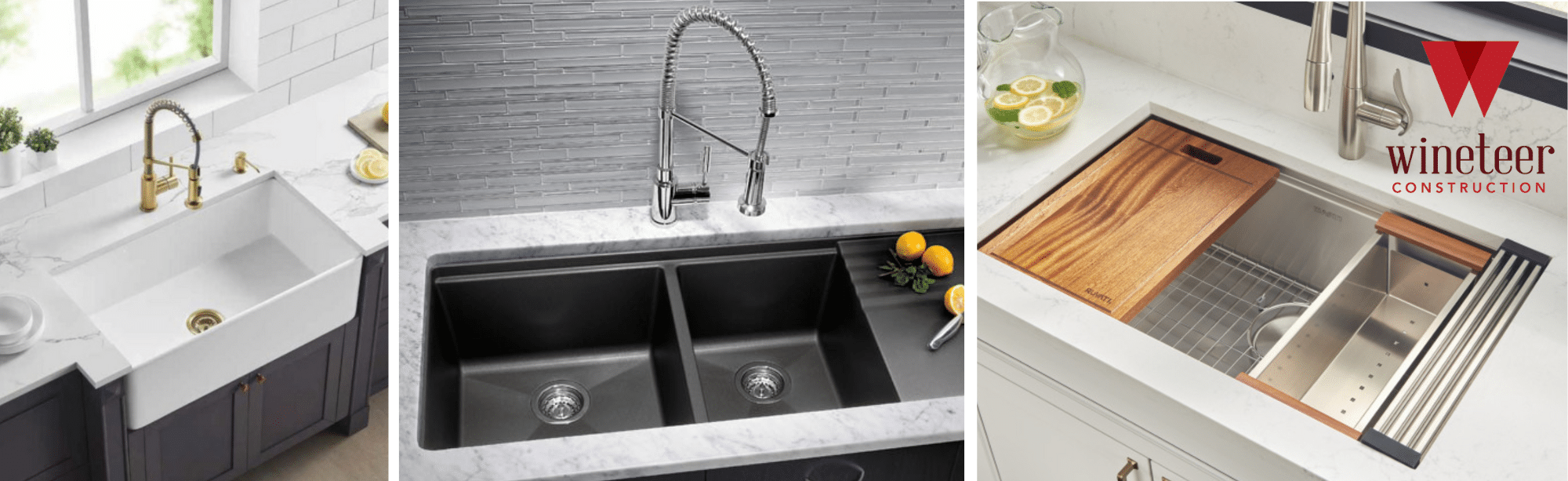
Another common question that our Kansas City area clients ask us is which sink style should I choose? Here are a few other options in the 4 Most Common Sink Materials Used in Kitchen Remodels. Part of the selection criteria during your kitchen remodel with Wineteer includes design, which is also focused on the functionality of the appliance. Let’s understand how you’re using your sink to best determine which style is best for you.
The single basin is the most common recommendation for most households looking at a kitchen remodel. With no middle divider, there is room to place an entire cookie sheet, or casserole dish in the sink. A single basin means one drain, allowing a garbage disposer to be installed without the possibility of waste going down the wrong drain. This choice is great for those who cook a lot or for families with young children who are constantly providing snacks. There are many trendy choices for the single basin sink, which can become the talking point of the kitchen!
RELATED: 42 Best Kitchen Sinks for Every Style and Space
The double basin sink can be either a high or low divide. High divides go almost all the way to the top edge of the sink. A low divide is usually about half the height of the sink, allowing for water buildup on one side, but still allowing room for a full cooking sheet to be washed without being out of the sink. The functionality of the double basin sink is feasible for many households who enjoy the divider when washing dishes or keeping items separate.

These sinks are becoming more popular with kitchen remodels. The farmhouse sink is categorized by your ability to see the front of the sink in lieu of a cabinet. Removing the cabinet front, and extending the sink apron forward, in most designs, makes the sinks a little wider front to back than traditional sinks. Not only are you positioned closer to the sink when standing in front of it, but even with the extra sink space, you may also gain some additional countertop space next to the faucet. Many people select this style of sink for the aesthetic design but should consider that drips on the front of the sink are more common with the closer proximity to the user. These sinks can come in single or divided basin. You should discuss the best option for the space with your kitchen remodel contractor.
This overarching category of sinks covers any sink that has additional components. The workstation sinks typically have a built-in ledge that can hold baskets, strainers, cutting boards, or any accessories that fits the size of the sink. These sinks have a more modular feel and can change to fit the needs of your kitchen. They have no limitations on materials but can come at a higher price-point due to the customization and accessories offered.

Sink installation should be performed by your trusted kitchen remodeling team and can be overmount or undermount. Wineteer’s recommendation is to undermount the sink. Aside from creating a seamless look and making cleaning your kitchen counters easier, undermounting the sink also helps eliminate deterioration of a seal that an overmount sink requires. The seal on the counter can build up junk, eventually wearing it down, requiring it to be re-installed to ensure no leaks occur. With an undermount sink you don’t have to worry about this!
When reviewing the endless options for your kitchen remodel sink, consider the functionality and aesthetic value that the sink can bring to your life. If you’re in the Kansas City area, consider Wineteer to relieve the stress and indecisiveness by bringing your kitchen remodeling dreams to lie! If you are ready for more education and in-depth consultation on your latest home renovation project, give us a call today. We can’t wait to turn your dreams into a reality!
Energy-efficient home upgrades are highly indispensable for homeowners in Kansas City who look to save money by preserving the environment. The options range from better insulation to modern HVAC systems that will greatly improve the performance of your home. Remodeling for energy efficiency is key with homeowners in today’s market. These energy efficient upgrades promote immediate benefits in energy savings and add to long-term comfort and sustainability. Whether you’re doing the big remodel or just looking at improving small elements, it certainly pays to address whatever energy-saving upgrade applies.
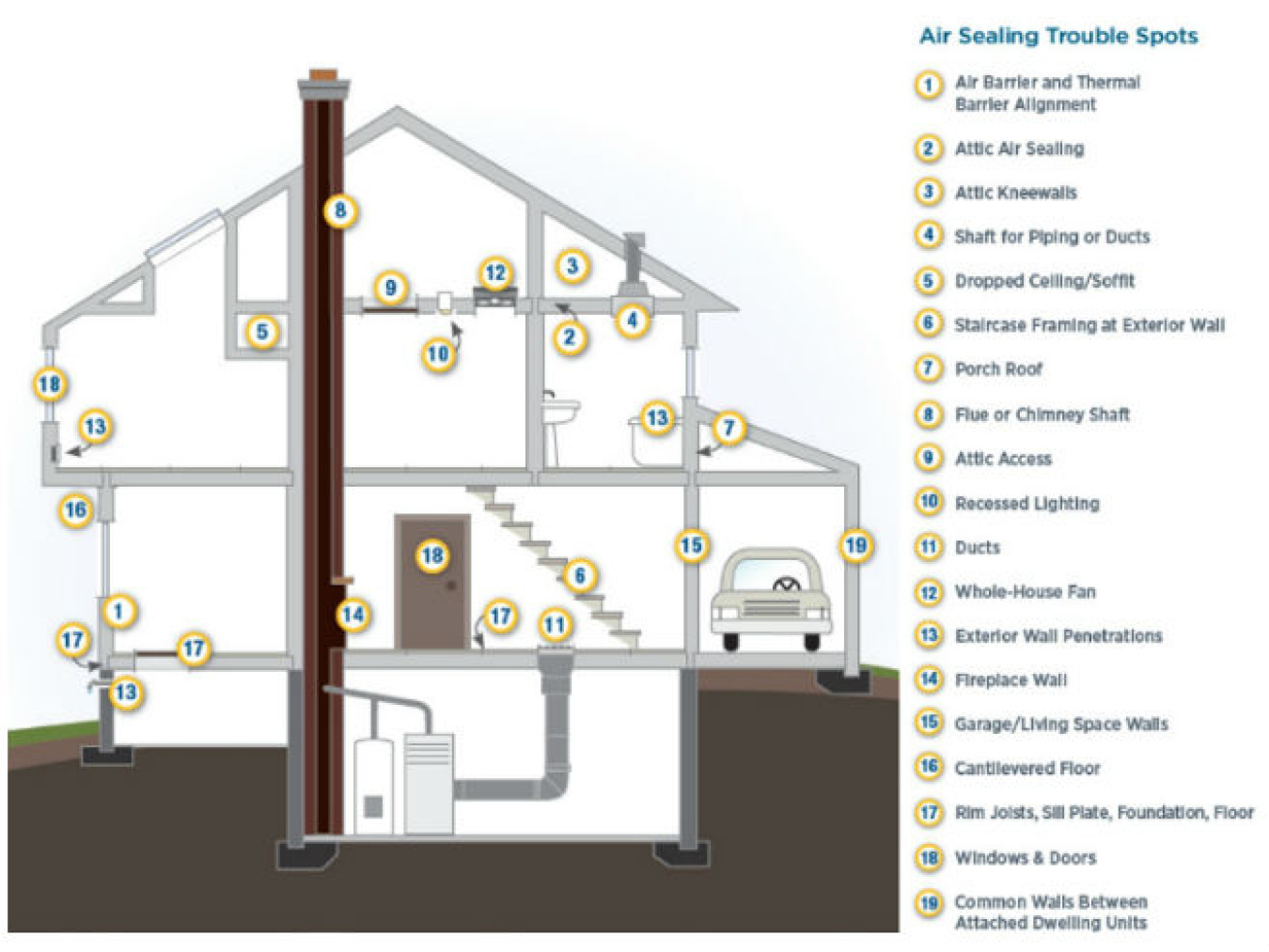 Energy-efficient home remodeling typically involves examining many sections that contribute to the energy usage of the house. Such strategic renovations will cut down on utility bills, increase comfort, and contribute toward a greener Earth. Now, let’s have a deep view of highly rewarding energy-efficient home remodeling upgrades for your residence:
A good insulation system prevents winter heat loss as well as keeping cool air inside during summers. Without correct insulation and sealing, in-home heating and cooling systems will eventually have to fight harder since they use energy that will send costs sour. Review the types of insulation – the chart is provided by https://www.energy.gov/energysaver/types-insulation.
|
Type |
Material | Where Applicable | Installation Methods | Advantages |
|---|---|---|---|---|
| Blanket: batts and rolls | Fiberglass
Mineral (rock or slag) wool Plastic fibers Natural fibers |
Unfinished walls, including foundation walls
Floors and ceilings |
Fitted between studs, joists, and beams. | Do-it-yourself.
Suited for standard stud and joist spacing that is relatively free from obstructions. Relatively inexpensive. |
| Concrete block insulation
and insulating concrete blocks |
Foam board, to be placed on outside of wall (usually new construction) or inside of wall (existing homes):
Some manufacturers incorporate foam beads or air into the concrete mix to increase R-values |
Unfinished walls, including foundation walls
New construction or major renovations Walls (insulating concrete blocks) |
Require specialized skills
Insulating concrete blocks are sometimes stacked without mortar (dry-stacked) and surface bonded. |
Insulating cores increases wall R-value.
Insulating outside of concrete block wall places mass inside conditioned space, which can moderate indoor temperatures. Autoclaved aerated concrete and autoclaved cellular concrete masonry units have 10 times the insulating value of conventional concrete. |
| Foam board or rigid foam | Polystyrene
Polyisocyanurate Polyurethane Phenolic |
Unfinished walls, including foundation walls
Floors and ceilings Unvented low-slope roofs |
Interior applications: must be covered with 1/2-inch gypsum board or other building-code approved material for fire safety.
Exterior applications: must be covered with weatherproof facing. |
High insulating value for relatively little thickness.
Can block thermal short circuits when installed continuously over frames or joists. |
| Insulating concrete forms (ICFs) | Foam boards or foam blocks | Unfinished walls, including foundation walls for new construction | Installed as part of the building structure. Cores in the blocks are typically filled with concrete to create the structural component of the wall. | Insulation is literally built into the home’s walls, creating high thermal resistance. |
| Loose-fill and blown-in | Cellulose
Fiberglass Mineral (rock or slag) wool |
Enclosed existing wall or open new wall cavities
Unfinished attic floors Other hard-to-reach places |
Blown into place using special equipment and, although not recommended, sometimes poured in. | Good for adding insulation to existing finished areas, irregularly shaped areas, and around obstructions. |
| Reflective system | Foil-faced kraft paper, plastic film, polyethylene bubbles, or cardboard | Unfinished walls, ceilings, and floors | Foils, films, or papers fitted between wood-frame studs, joists, rafters, and beams. | Do-it-yourself.
Suitable for framing at standard spacing. Bubble-form suitable if framing is irregular or if obstructions are present. Most effective at preventing downward heat flow, effectiveness depends on spacing and number of foils. |
| Rigid fibrous or fiber insulation | Fiberglass
Mineral (rock or slag) wool |
Ducts in unconditioned spaces
Other places requiring insulation that can withstand high temperatures |
HVAC contractors fabricate the insulation into ducts either at their shops or at the job sites. | Can withstand high temperatures. |
| Sprayed foam and foamed-in-place | Cementitious
Phenolic Polyisocyanurate Polyurethane |
Enclosed existing wall
Open new wall cavities Unfinished attic floors |
Applied using small spray containers or in larger quantities as a pressure sprayed (foamed-in-place) product. | Good for adding insulation to existing finished areas, irregularly shaped areas, and around obstructions. |
| Structural insulated panels (SIPs) | Foam board or liquid foam insulation core
Straw core insulation |
Unfinished walls, ceilings, floors, and roofs for new construction | Construction workers fit SIPs together to form walls and roof of a house. |
SIP-built houses provide superior and uniform insulation compared to more traditional construction methods; they also take less time to build. |

RELATED: Seal and Insulate with Energy Star: Savings Analysis Baseline Home Assumptions

Insulation Savings Calculator: https://www.transformhomepro.com/insulationCalculator.html


Continuing on Energy-Efficient Home Remodeling Upgrades, another of the most noticeable improvements will be with upgrading energy-efficient windows and doors. This provides immense insulation, a reduction of outside noise, and will increase the aesthetic of your Kansas City home in its entirety.

Low-E glass coatings reduce heat loss and block out UV rays, which are responsible for the fade of furnishings and carpets.
Proper framing like vinyl, fiberglass, and composite window frames insulate even better than traditional wood frames, which tend to warp and crack with age and eventually leak air.
Energy Star labels on windows and doors mean they are able to pass rigid energy standards. A window or door bearing this label offers better insulation and facilitates gains in energy over a certain period.
The HVAC system is quite important in maintaining efficiency in energy consumption. Investment in smart HVAC improvements pays dividends with enhanced comfort while slashing your utility bills.

Zone control allows you to section your house into different areas, or zones, which can be heated or cooled independently. That means you will only be using energy on rooms in use, thereby cutting on waste.

What is SEER Rating for HVAC? In the heating and cooling industry, SEER stands for Seasonal Energy Efficiency Ratio. A SEER rating is the ratio developed when the cooling output of the system over an average cooling season is divided by the total energy used. More simply, SEER is representative of how much energy and money the unit requires to operate effectively over a single year. This came from American Standard Air – https://www.americanstandardair.com/resources/blog/what-is-seer/.
Routine maintenance is recommended in keeping your HVAC running at peak performance. Changes in the filter every 1–3 months, refrigerant checks, and assurance that air ducts are clean go a long way in making it work right and with efficiency.
Solar panels are a renewable energy solution that lets you harness the sun’s energy to create electricity for your home, which could drastically minimize your electricity bill over time.


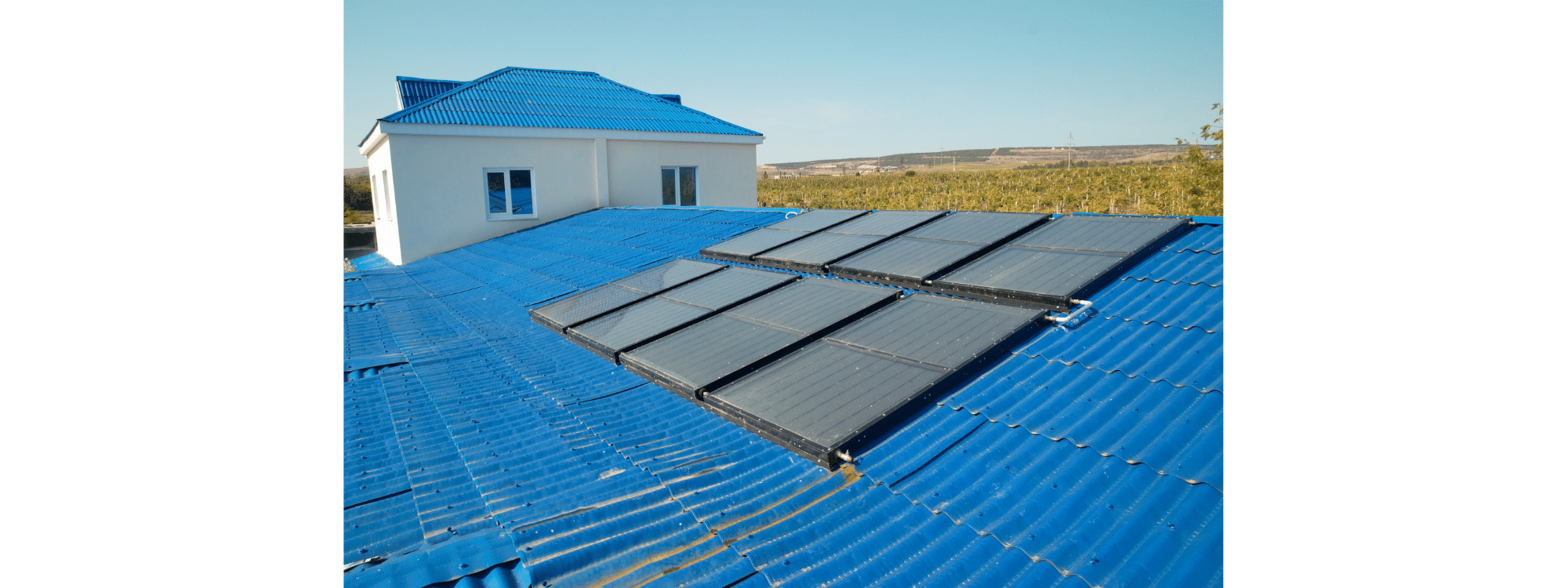
Energy-Efficient Home Remodeling Upgrades, is not only about saving energy but also about water conservation, and these two together can bring your utility bills down tremendously while being gentle on the environment.




According to Wineteer experts, energy-efficient solutions for upgrading a home go beyond cutting expenses; they create a sustainable, functional, and future-ready space. Thoughtful changes will provide comfort in living and also enable the forthcoming generations to enjoy a healthier planet.
In spring, nature refreshes itself with new leaves and flowers, and this season is also one of the best times to renovate your home. From bathroom and kitchen remodeling to outdoor and windows/doors, the spring can bring the desire for a change. There are many different reasons why you may want to renovate your house in the spring season, especially around the Kansas City and Overland Park areas. The weather is typically fairly mild, not incredibly wet, and generally an ideal time for a home refresh. Let’s explore some ways for getting your home ready for a spring remodeling project.
Also, many homeowners in Overland Park and the Johnson County, KS area explore the Home + Garden shows for inspiration. https://www.kcremodelandgarden.com/
There are many reasons why remodeling your house in the spring is a good idea:
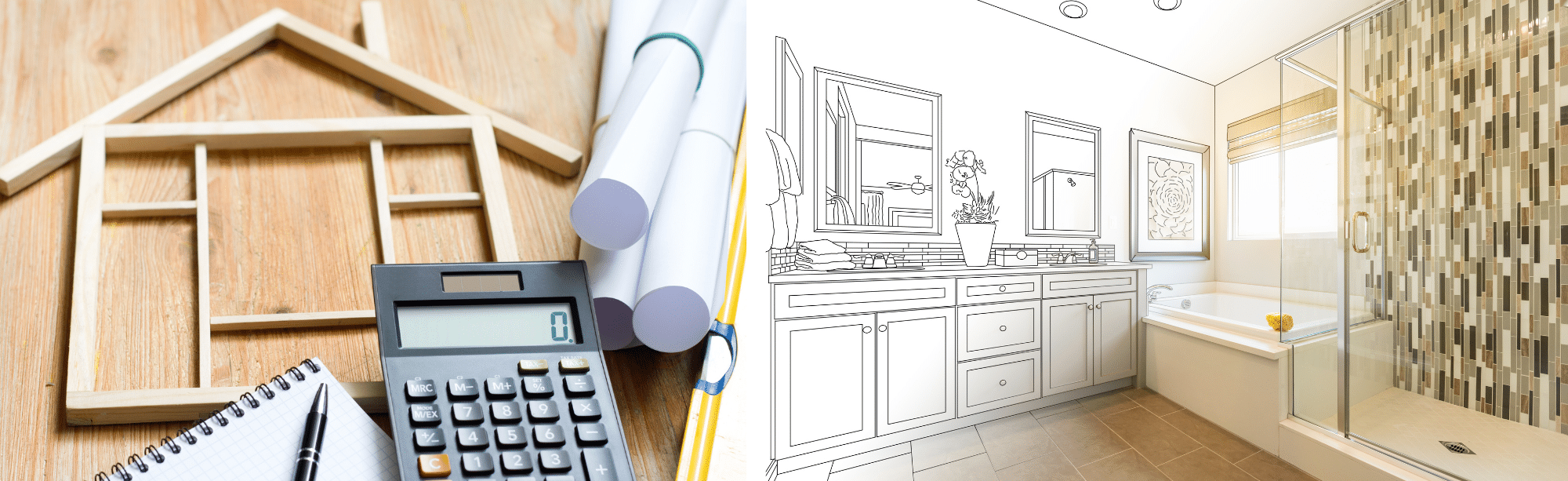
Although remodeling your house is an exciting activity that motivates anyone, it comes with some challenges and considerations. Here are some tips and courses of action in detail to get your house ready for renovation and pull out the project perfectly:
The first step to getting your home ready is to set intentions about what you want and why you want it. Since planning and preparation are the keys to a perfect renovation, the design, planning, and budgetary phase is very important to do thorough research and set the goal. Moreover, deciding on what you want to do and the reasons behind it is necessary for setting priorities for your project.
One of the crucial steps in home renovation is to set up the budget, as using your money efficiently will result in a more effective renovation. It will also save on excess costs that come with unplanned budgets. Also, if you prepare the budget and see that some renovations are expensive for you, you can omit them more efficiently.
Ensuring safety for your family during a home renovation is important. Make sure your family and pets are comfortably enjoying their lives, even though there’s renovation going on in the house. You can renovate parts by parts to make sure it doesn’t hamper anyone’s work.
For example, you can send your pet or family member to another place for a few days to ensure their safety, as accidents can happen when roaming around a renovation project. You can also make temporary spaces in your yard to lessen the need to go near the renovation project for any work.
You should hire design build professionals to remodel your house for a seamless experience. If you find the right partnership, you should be looped into every decision, and communicated to on everything. Companies like Wineteer are very meticulous about communication and respect the homeowners space and time.

After hiring a professional, make sure to provide your remodeling designs that maximize natural light and ventilation, which will save you money on energy.
Maintaining and collaborating on the renovation project is also very important to ensure quality remodeling. Also, don’t just sit still depending on the professional fully, as some of their work may not be likable to you. Also, do your research about the materials, finances, and documents.
Make sure to document every financial transaction and list of materials. Try to give feedback to them after completing every step to provide better results in later steps.
Here are some spring remodeling ideas for your next project:
As homeowners are beginning to long for the spring weather, don’t miss out on the opportunity to begin your home remodeling projects. Reach out today for a free estimate on your next remodeling project.
Planning a kitchen remodel? Hiring the right kitchen remodeling contractor is one of the most important steps to ensure your project runs smoothly and stays within budget. Think about it… you will have a team of people inside of your home for weeks, or months, performing “surgery” on your home. You will get to know the crew and see them more than your own family sometimes 🙂
Whether the kitchen remodel includes new cabinetry, updating configuration/layout, installing new countertops, or doing a full kitchen overhaul, asking the right questions from the beginning can help you avoid costly mistakes, save time, and ultimately ensure a quality result. Check out this article from houzz.com on “How to Hire a Contractor” for tips as well.
Before Your Start a Kitchen Remodel – Ask These 10 Questions below to ensure you are on the right track to a successful (and on budget) remodel!
Make sure your contractor holds the proper state and local licenses to perform kitchen remodeling work. Ask for proof of general liability insurance and workers’ compensation coverage to protect your home and finances. You want to be fully protected in case someone on the job site gets insured; you trip over something during the renovation and hurt yourself; or the work completed is faulty and causes injury to a guest at your home. Homeowners should ask the kitchen contractor for an updated general liability and workers compensation proof of coverage. A contractor should already have this built into the items they present before beginning the remodel at anyone’s home.

Ask to see examples of kitchen renovation projects they’ve completed. A reputable contractor will gladly share photos, videos, or connect you with past clients for references. Oftentimes photos be filtered, or appear edited more than in person. Consider asking your contractor if you can take a look at a person’s kitchen they’ve recently finished. Many satisfied homeowners will be happy to show off the craftsmanship, design, and new space! At the very least, ask your potential kitchen remodeling contractors for an online gallery to peruse.
Understanding the expected start and end dates will help you plan around the renovation. If the kitchen remodeling contractor you are speaking to has an opening immediately, that is a red flag. You want them to be “busy” enough that you aren’t next in line without a wait; BUT you don’t want to wait three years to begin the remodel! Ask about potential delays, vacations, holidays, and how they handle unexpected issues that could impact the timeline. Another consideration is ensuring all permits (see #4 below) are approved before the timeline for completion begins, so you aren’t including delays based on that.

Most kitchen remodels require building permits. A professional contractor should handle the permitting process and coordinate inspections with local building departments.
For companies like Wineteer servicing two states, it’s essential to understand the permit and license requirements for your specific state, city, and county. Check out this article on specifics to consider
Request a detailed breakdown of your kitchen remodeling estimate, including materials, labor, demolition, plumbing, and electrical work. Also ask what’s not included to avoid surprise costs later.
When reviewing multiple estimates from kitchen remodeling companies in Kansas City, understand you cannot compare apples to apples. Some companies will present a lower cost and have “change orders” all along the job to increase the price. Other contractors, like Wineteer, provide a transparent estimate with all of the costs upfront. Unless the resident makes changes to the project (or unexpected structural issues occur), the pricing will not change. Wineteer’s customers appreciate the transparency and understanding of exactly what they’re getting, the upfront costs, and avoiding the feeling of “nickel and dime-ing” along the way. Wineteer also invested in a project management software that allows the customer to log in and view the process. You can see all of the invoices; progress pictures; material selections; and communicate with the team from this one portal. It’s pretty cool!

Many contractors, especially Kansas City kitchen remodeling companies, use a variety of subcontractors to fulfill their remodeling projects. However, not all do this. Remodeling companies like Wineteer have a dedicated team that stays on each project from beginning to end. Wineteer is a family-owned business with decades of experience between each team, and it shows. When researching your contractors, be sure to ask the following questions:

Never pay 100% upfront. Red flags are apparent with a kitchen remodeling company asks for the entire project payment before the building even begins. Many companies should have a clear, milestone-based payment schedule to ensure the work is completed before the next payment is due. Companies like Wineteer have the online portal that allows you to view all invoices and itemized materials to understand exactly what and when your payments are due.

Continuing on Before Your Start a Kitchen Remodel – Ask These 10 Questions, ask how the contractor will minimize dust, protect floors, and contain the workspace. A good, and experienced, kitchen remodeler takes steps to protect your home from unnecessary damage. Here are some common ways to protect your home during the kitchen remodel:

A reliable kitchen remodeling contractor should stand behind their work with a warranty. Ask specifics on how long long the warranty lasts and what it covers. Get it all in writing.

Kitchen renovations often uncover surprises, like plumbing or electrical problems. Make sure there’s a clear process for handling change orders, including pricing and approvals. When working with a design builder, change orders and unforeseen issues have been rendered and this limits the amount of issues encountered along the way.
This article, Before Your Start a Kitchen Remodel – Ask These 10 Questions, hopefully has guided you along to choose a trustworthy, experienced professional who can bring your dream kitchen to life. If you’re searching for a reliable kitchen remodeling company near you, make sure they offer transparency, detailed estimates, and excellent communication from start to finish.
Wineteer specializes in high-quality kitchen remodeling services within the Kansas City and Johnson County, KS areas, including custom cabinets, countertops, flooring, lighting, and layout design. Contact us today to discuss your remodel! https://wineteerconstruction.com/contact-us/
Remodeling your Kansas City home is a significant investment that requires the right contractor to ensure quality results. With the city’s mix of historic and modern homes, finding a professional who understands local building styles and requirements is essential.
This guide of How to Select the Best Home Remodeling Contractor in Kansas City breaks down the practical steps to select a remodeling contractor who can deliver on your vision, timeline, and budget while navigating the specific challenges of Kansas City properties.

Unlike simple home renovation, home remodeling involves significant changes to building structures and overall aesthetics. Home remodeling includes activities like replacing entire floors, repositioning fixtures, redesigning layouts, and similar transformations. With such a variety of tasks, not every remodeling contractor specializes in all areas. Therefore, identifying your specific remodeling needs is crucial for selecting the right contractor in Kansas City.
Kansas City homes require skilled professionals for remodeling due to the city’s unique blend of historic properties, developing neighborhoods, and evolving design trends. The ideal contractor should be familiar with local culture and heritage, architectural styles, weather considerations, and how to compliment your home with the city’s vibrant character. In short, qualified remodeling professionals must understand these specific Kansas City factors. Below, we outline the steps to find a suitable home remodeling contractor in Kansas City.
Below are proven methods to help you find a suitable remodeling contractor who understands the unique needs of Kansas City homes.
Begin by researching to compile a list of top home remodeling contractors in Kansas City. For online sources, consult review platforms like Yelp, Reddit threads, NextDoor, Houzz, HomeAdvisor, Better Business Bureau ratings, and local home improvement blogs. For offline research, talk with friends, family members, or neighbors who have recently completed home remodeling projects to get their recommendations and experiences.
From your initial list of Kansas City home remodeling agencies, narrow it down to 2-3 top candidates. Use your previously identified remodeling needs as criteria to evaluate which contractors specialize in your specific type of project.
This focused approach makes the selection process more manageable and increases your chances of finding the perfect match for your remodeling goals.
Once you’ve created your shortlist, verify that each contractor holds the proper licensing required in Kansas City. Depending on your project’s scope, contractors should have appropriate licenses ranging from Class A General Contractor to specialized classifications like DW Wood Framing Contractor.
Also confirm they carry adequate insurance, including liability coverage and workers’ compensation. While insurance information can be difficult to find, you can directly request proof from the contractor, check their annual reports, or contact Kansas City’s licensing department for verification.
Check each contractor’s experience by learning how many similar projects they’ve completed in Kansas City. Ask about their years in business and whether they specialize in projects like yours. Additionally, verify their professional affiliations with organizations such as the National Association of the Remodeling Industry (NARI), local home builders associations, and chamber of commerce memberships.
Reputable Kansas City remodeling contractors should readily provide references from previous clients. Ask each contractor for 3-5 references from projects similar to yours, preferably completed within the last year. Contact these homeowners to inquire about their satisfaction with the work quality, communication, timeline adherence, and whether they stayed within budget.
As one of the select home remodeling companies in Kansas City with only 5-stars, Wineteer is happy to provide our list of references. We even have clients that will welcome you over to walk through their remodel and share their experience!

Meet with the lead contractor or project manager from each of your 2-3 shortlisted companies. This gives you insight into their professionalism and operation. During this meeting, discuss your project in detail, ask about their approach to similar renovations, their typical timeline, and how they handle unexpected issues.
Each client that Wineteer partners with begins with an onsite visit from Nick McIntyre, Wineteer’s President and CEO. Nick has decades of experience with families in the Kansas City and Overland Park area – bringing their vision to life. Read Nick’s full bio here: https://wineteerconstruction.com/our-team/#nickmcintyre
After gathering all details about the shortlisted contractors’ experience, expertise, quotes, and other factors, create a side-by-side comparison. Prepare a simple table with the following information:
Continuing on How to Select the Best Home Remodeling Contractor in Kansas City, remember to prioritize contractors who not only fit your budget and timeline but also communicate clearly and understand your vision. They should have a good track record of professionalism. Once you’ve made your selection, both parties should work to form a contract and sign the agreement. Make sure to carefully review key factors including costs, timeline, work quality standards, penalties, and payment terms before signing.
The following tips have proven beneficial for many homeowners:
One of the key elements of choosing the right home remodeling contractor is one who is aligned with your design goals. Check out this video on Wineteer’s selection process.
Remodeling your Kansas City home is a rewarding experience. It’s exciting to transform your space with new designs and fixtures. To ensure this positive outcome, selecting the right home remodeling contractor is essential.
By following these guidelines, you’ll be well-equipped to find the best-suited remodeling professional in Kansas City for your specific project.
Your kitchen layout dictates more than just where the stove and sink go; it determines how you cook, interact, and move. A poorly designed kitchen creates frustration and clutter; whereas a good design makes everything flow and cohesiveness. Do you dream of a kitchen that will foster conversation at your family dinners, maximize every inch of your kitchen, and create a timeless design? Whether it’s a tight space or an open floor plan, the right layout makes all the difference.
The perfect kitchen layout improves workflow, maximizes storage, and makes cooking more efficient. No matter if you prioritize functionality to prepare quick meals or openness for entertaining, the right choice can increase the aesthetic of your home.
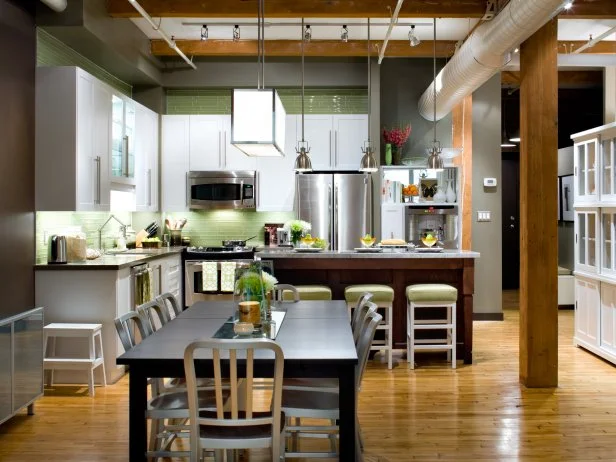
Photo Credit: BBP
The L-shaped kitchen provides the best suiting for corner optimization but at the same time keeps the area open. In this style of kitchen, two adjacent walls are in a form such that it forms an “L” and creates an efficiently working triangle between the stove, sink, and fridge. This can fit small and big kitchens, allowing room for extra dining or prep space.
Fewer barriers in this type enable one to move around and be social; hence, it works perfectly for open-plan homes. But corner cabinets are finicky to store things in and often require smart solutions—lazy Susans or pull-out shelves—to be maximally usable.
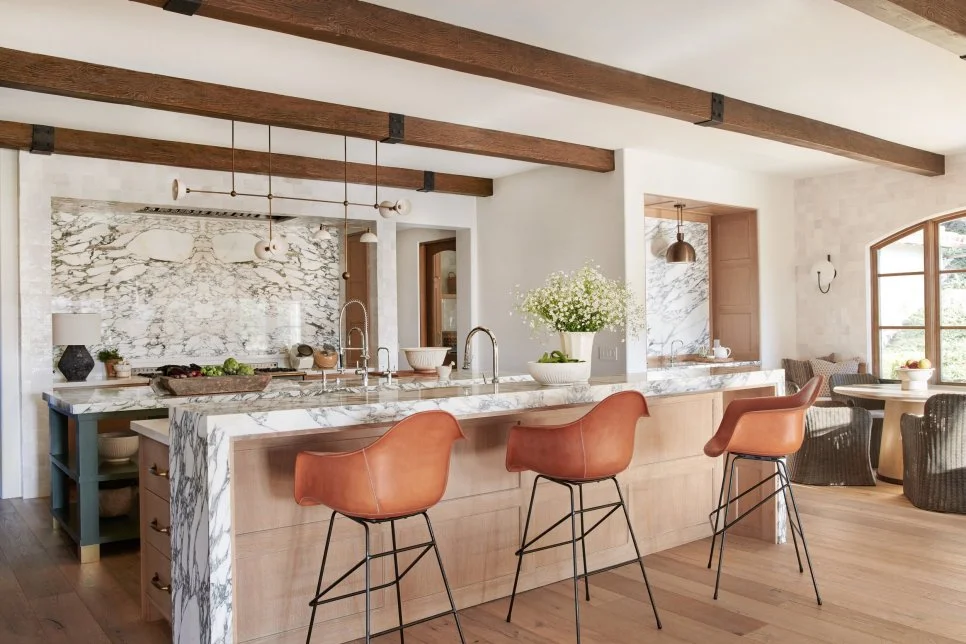
Photo By: Tessa Neustadt
A U-shaped kitchen surrounds you with three walls of cabinetry and appliances, creating an enclosed, highly functional space. This design maximizes counter space and storage, making it ideal for avid cooks who need room to spread out. The layout promotes an efficient workflow, keeping everything within easy reach.
RELATED: HGTV U-Shaped Kitchen Design Ideas
However, its enclosed nature can make smaller kitchens feel cramped, so proper lighting and strategic color choices are essential. If space allows, a central island can enhance functionality without disrupting movement. U-shaped kitchens work best for those who prioritize efficiency and storage over an open-concept feel.

Photo: Brie Williams
A galley kitchen is essentially two parallel counters that create a very streamlined, highly efficient space. This design is often used in apartments or smaller homes where every inch counts.
In a galley layout, everything is within arm’s reach, making meal prep smooth and efficient. But with limited space, it can feel tight, especially with multiple cooks. To balance this, one can use light colors, selective lighting, and fewer upper cabinets for making it appear more open. A galley kitchen would be perfect for the efficient cook who doesn’t really need to socialize as much.
RELATED: 15 Galley Kitchen Ideas That Maximize Space and Style

The Spruce / Christopher Lee Foto
The island layout incorporates a central island into the kitchen for added workspace, storage, and seating. An island works well in larger kitchens where space permits free movement around the island. The island might host a cooktop, a sink, or just be a prep area; it also becomes a very social part of the kitchen, so great for entertaining.
However, islands do need enough clearance around them so congestion can be avoided. If space is limited, consider a portable island or peninsula instead. The island layout is ideal for hosts who enjoy entertaining and require multi-functional usage.
RELATED: 101 Kitchen Island Ideas for Every Space

Photo by: Colin Faulkner
An open-concept kitchen does not have walls, and the kitchen opens into the living or dining area. This layout allows for more natural light, conversation, and makes the space feel larger. It’s perfect for families or those who love to entertain because one can communicate with others easily.
Open kitchens, however, need careful organization since everything is on display. Smart storage solutions and stylish appliances help maintain a clean, cohesive look. It also allows the spread of noise and cooking odors more easily; thus, proper ventilation is needed. If you prefer a spacious, airy feel and like a strong social connection, this layout is your best pick.
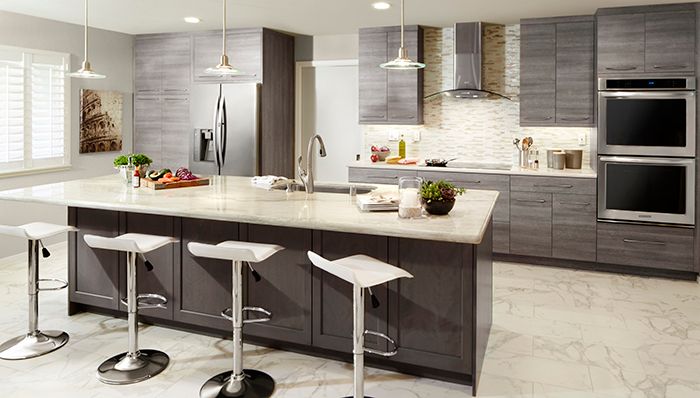
Photo Credit: Lowe’s
A single-wall kitchen keeps everything along one wall: appliances, cabinets, and countertops. It is the most space-saving layout, very important in studio apartments or compact homes where floor space needs to be maximized. Without the traditional work triangle, careful appliance placement can still create an effective workflow.
While storage may be limited, some added vertical shelving or extending cabinets to the ceiling optimizes space. A kitchen island can also be added for more prep and storage space. If convenience and efficiency matter most, then a one-wall layout is a perfect choice.

Photo Credit: Nadia Watts Interior Design
A peninsula kitchen is a lot like an island layout, except it differs in one important respect: the island is attached to a wall or existing counter to create a partial enclosure. It provides additional counter space and seating without requiring as much room as a full island. It is a great solution for open-plan homes that require some division between the kitchen and living area.
The peninsula provides good workflow but leaves an open feel. However, it may provide tight corners for smaller kitchens, and careful planning should be taken into consideration. This layout is best if you want the benefits of an island but don’t want to lose space.
Your available space determines which configuration is practical. A galley or one-wall design works well for compact kitchens, while larger kitchens can accommodate island or U-shaped configurations. Consider how doors, windows, and walkways affect flow to make sure the layout will work properly for comfort and efficiency.
If you are a cook who makes elaborate meals, counter space and storage should be your focus. Those who entertain often want an open layout with an island or peninsula. According to Wineteer experts, a galley or an L-shaped kitchen is ideal for quick, efficient cooking.
Some layouts also require more cabinetry, plumbing, or structure changes, making them more costly. A one-wall kitchen may be budget-friendly, but there are higher expenses for an island or open-concept layout. Balance functionality and aesthetics to achieve a space to suit your needs and budget.
The right kitchen layout can make a big difference in your cooking experience and the essence of your entire home. Whether it is an ultimate galley set to ensure efficiency, an island design that’s perfect to be sociable, or a one-wall kitchen to save space—all have something special to appeal to your taste. Consider your space, your habits, and your budget, then decide. Need professional advice? Contact us at Wineteer and let us guide you toward what will be best for your home.
Spring 2025 is redefining home remodeling with a fresh wave of innovation that melds sustainability, technology, and personal well-being. Homeowners are moving toward eco-conscious materials, biophilic elements, and smart integrations that improve function and aesthetics. Spaces will need to be multifunctional, while outdoor living areas become true continuations of the home.
Bold colors, minimalist designs, and wellness-focused upgrades are shaping interiors like never before. Whether one is planning a full renovation or small updates, these are the trends to follow in order to bring style, efficiency, and a future-ready home.
As we forge into 2025, home remodeling isn’t just about aesthetics. It’s all about crafting rooms that adapt, evolve, and support the dynamics of modern life. Moving into this spring, from materials to designs and innovations, people look forward to making a home more sustainable, functional, and deeply connected with nature.

Sustainability is no longer a buzzword but an emerging core of home design. One may see a further emphasis on recycled, upcycled, and renewable materials in 2025. Homeowners are going with choices like bamboo flooring, reclaimed wood, and new composite materials made from agricultural waste. Even concrete has a carbon-negative version that is showing a step towards an environmentally friendlier direction.

It’s not only about putting several potted plants inside a space; instead, it is about constructing breathing homes. In 2025, biophilic design goes further: entire walls draped in living greenery, natural ventilation systems pulling in and pushing out air, strategically placed skylights, which flood the interior with sunlight.
Expect a lot more organic textures, such as cork, rattan, and raw stone, not just as accent elements but also as the main design components. Other elements coming into vogue are indoor water features—home mini indoor waterfalls or even built-in koi ponds—that create a soothing atmosphere. Homes no longer separate humans from nature; they extend it.

Technology is making homes more intuitive as AI-driven systems learn routines. Smart thermostats and lighting automatically adjust to the occupancy and ambient weather conditions. Kitchen appliances converse with each other—down to suggested recipes on a refrigerator display using ingredients within their confines and smart ovens that automatically preheat.
The evolution of security ranges from facial recognition for entry into places to real-time threat detection. Even windows have self-adjusting tints for optimized energy efficiency. These not only make your life easy but also increase safety, minimize energy consumption, and create seamless living experiences.

Homes are becoming more adaptable, with rooms serving multiple purposes. The living room also doubles as a workspace, with retractable desks and foldable partitions. Smaller homes incorporate Murphy beds and hidden storage to maximize square footage, while kitchens boast built-in dining stations that flip into prep areas.
Soundproofing solutions allow home offices to easily morph into entertainment zones without disrupting the household. The demand for versatility is driving modular furniture trends, making it easy to rearrange space. These multi-functional designs meet modern lifestyles and make the home a place of work, rest, and even social gathering—all in one flexible, well-planned environment.

Outdoor spaces continue to evolve into complete living spaces as comfort and functionality are integrated. Weather-resistant furniture, outdoor kitchens, and built-in fire pits extend the usability beyond just warm months. Smart pergolas with adjustable shade and heating elements create year-round comfort, and integrated speakers along with lighting provide enhanced entertainment options.
Homeowners are embracing everything from edible gardens to vertical planters for that fresh, homegrown produce. These transformations of backyards become dynamic, multifunctional retreats. This means whether it’s used for dining, relaxation, or entertaining, it should create a home outside to extend inside conveniences with comfort into a close relationship with nature.

Gone are the days of beige interiors; spring 2025 belongs to color confidence. Yes, earthy tones will still dominate, but they’re being mixed with bold pops of deep emerald, rich terracotta, and electric blue. Statement ceilings are high on the rise, with homeowners using texture and intricate wallpaper patterns to draw the eye upward.

In 2025, minimalism is all about simplicity with warmth. Instead of sterile, empty-furnished homes now include soft textured walls, curve-designed furniture, and hidden storage for a clear look.
All cooking areas are built as kitchens, maintaining a sleek look with built-in cabinetry and handleless drawers, as well as recessed lighting and seamless wall paneling. Fewer walls equate to better flow, better space, and more natural light. Now, its about “invisible design,” where the difference between style and function is completely missing.

Houses are now progressively developing into a solid stronghold for health, encompassing everything from relaxing to enhancing good health. Circadian lighting systems installed provide artificially simulated daytime lights that offer superior sleep quality by improving health through the filtering-out process. Large meditation rooms, aromatherapy showers, and infrared saunas are commonplace parts of living day-to-day life.
Sleeping-enhanced technologies reside within bedrooms that offer blackout blinds and white noise integrations. These changes reflect the focus on wellbeing, making sure homes become nourishing for both the body and the mind. More than comfort, wellness-focused design makes homes restorative spaces, further encouraging a balanced life to support long-term well-being.

People will focus on budget-smart upgrading in 2025. Luxury does not necessarily mean expensive. Textured wall coverings can affordably be inserted with peel-and-stick wood paneling. Modular furniture enables flexibility in the floor plan without the need for major renovations. Smart plug-in solutions—LED strip lighting, energy-efficient outlets—improve ambiance at a fraction of the cost.
Upcycling décor, thrift store findings, and DIY improvements will also let homeowners be on-trend and not break the bank. Instead, it’s about creativity over cost to prove that powerful design can happen at any budget. Affordable remodels aren’t about compromise anymore; they’re about making strategic, high-value choices that ramp up style and function.
Spring 2025 is not for remodeling only; it’s a redefinition of how we will live in our homes. The house is no longer static; it adapts, evolves, and improves the way one lives. This season’s trends reflect a deeper understanding of comfort, function, and sustainability, proving that style and purpose can coexist.
Whether a subtle refresh or a full transformation, remodeling isn’t just an upgrade; it’s a statement about how we want to experience our homes. If you’re looking for more ideas on how to embrace these trends, the experts at Wineteer are always ready to inspire and assist.